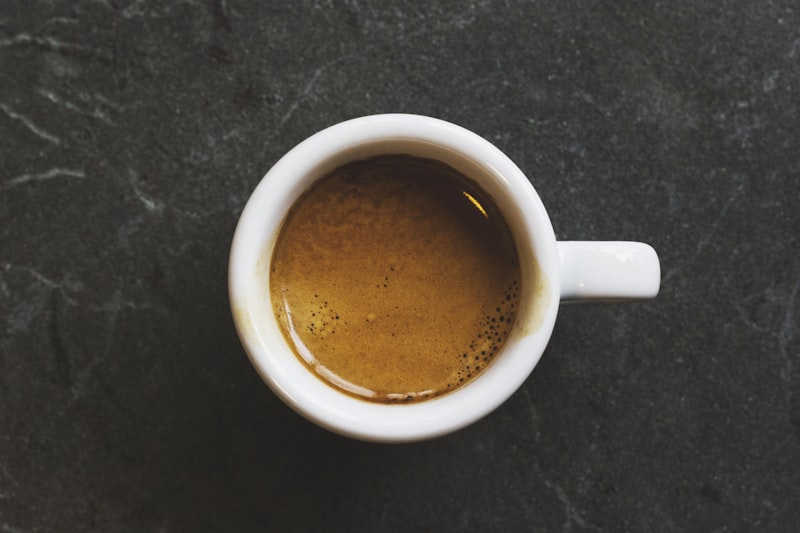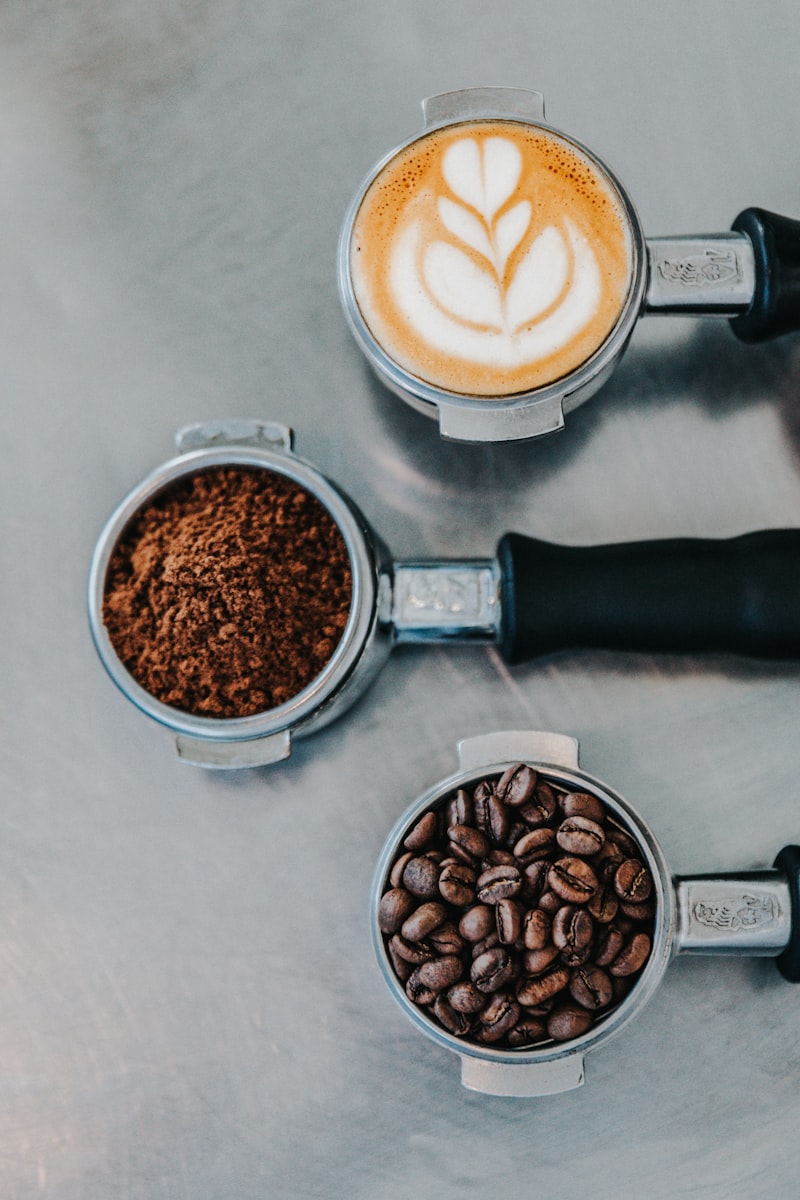
Espresso is not a button you press. It is a discipline. In a busy Italian bar, you are not judged by your latte art or your Instagrammable cups. You are judged by the first sip of a straight espresso at 7:30 in the morning, when a regular walks in and drinks in silence.
This guide is not a gentle introduction. Think of it as bootcamp. We will talk like a strict barista who has pulled thousands of shots and has no patience for sloppy puck prep, random grind changes, or “I think it looks okay.” If you are ready to treat 25–30 seconds of extraction like a serious craft, read on.
What Is Espresso, Really?
Espresso is a brewing method where hot water is pushed through a compact bed of finely ground coffee under pressure. You are not just making “strong coffee.” You are building a controlled resistance in the portafilter and forcing water to negotiate its way through that resistance.
A classic recipe uses around 18–20 g of coffee to produce 36–40 g of liquid in about 25–30 seconds. That is a 1:2 brew ratio. But do not be fooled: the numbers are not the soul. The soul is how evenly that water travels through the puck. Even flow gives sweet, balanced shots. Uneven flow gives sour and bitter in the same cup. That is why puck preparation matters more than any shiny machine spec.
Start with 18 g in, 36 g out, in 25–30 seconds at around 93°C. Then adjust based on taste, never on superstition.
The Art of Puck Prep: WDT & Distribution
Before you chase “better machines” or “better baskets,” fix your puck prep. Most home baristas lose the battle before the shot even starts. Clumps, air pockets, and uneven distribution create weak spots in the coffee bed, and the water will always find those weak spots first.
This is called channeling: water chooses the path of least resistance instead of passing evenly through the entire puck. The result? Part of the coffee is under-extracted (sour, thin), part is over-extracted (dry, bitter), and the shot looks fine in the cup but tastes confused.
WDT: Breaking Up Clumps
WDT (Weiss Distribution Technique) is nothing glamorous. It is simply stirring your ground coffee in the basket with thin needles to break up clumps and even out density. But in modern espresso, it is one of the most powerful upgrades you can make.
Use a tool with several thin needles (or paper clips if you are desperate). After grinding into the portafilter or a dosing cup, gently stir through the entire depth of the coffee, not just the surface. Your goal is simple: no hard clumps, no big voids, a fluffy, uniform bed of grounds.
Distribution: Leveling the Bed
After WDT, you must level. Tap the portafilter lightly on the counter or use a distribution tool to smooth the surface. The top of the puck should be flat, not mounded on one side. If the puck is higher on one edge, water will hit that side first and you invite channeling again.
Only when the coffee is fluffy, even, and level do you tamp. Tamping does not fix bad distribution; it just compresses your mistakes into a solid brick.
For one week, every shot you pull must include WDT and careful leveling. If you are too busy for proper puck prep, you are too busy to complain about your espresso.
Pressure, 9 Bars, and the Turbo Trend
Every brochure loves to shout “9 bars of pressure!” as if it were a sacred law. Traditionally, 9 bars became the standard because it produced a rich, syrupy shot on classic machinery and darker roasts. But modern espresso is not religion. It is engineering.
Recently, many baristas have experimented with lower-pressure profiles such as 6 bars or so-called “turbo shots” with faster flow and shorter times. Lower pressure can reduce bitterness and highlight sweetness, especially with lighter roasts. Think less aggressive squeezing, more gentle rinsing through a well-prepared puck.
Is 9 Bars Really Necessary?
No. What is necessary is consistency and control. If your machine allows pressure profiling, try dropping from 9 to around 6–7 bars while keeping the same dose and grind, then compare taste. Often you will find the shot becomes more approachable, with less harshness in the finish.
However, low pressure is not a magic fix for bad puck prep. At 6 bars, water will still happily dive through a crack in your puck. Treat pressure as a fine-tuning tool, not a bandage for sloppy technique.
The Role of Pre-Infusion
Pre-infusion is the gentle wetting of the coffee puck before full pressure is applied. Imagine pouring a little water on dry soil: if you blast it, water runs off; if you pre-wet it, water soaks in evenly. Espresso is the same story.
A typical pre-infusion might be 2–8 seconds at low pressure or even just line pressure. The goal is to let water slowly penetrate the puck, swelling the coffee and sealing tiny gaps. After this stage, when full pressure arrives, the puck behaves more like a single, solid sponge instead of a pile of dust with cracks.
The practical benefit is huge: less channeling, more even extraction, and a wider “sweet spot” for grind settings. Your shots become less sensitive to micro-variations in dose and tamp. In other words, pre-infusion makes you look more skilled than you really are—but only if your puck prep is already respectable.
If your machine allows it, start the pump for 3–5 seconds, pause briefly, then continue the shot. Watch the puck. When drops begin to form evenly across the basket, you are ready for full pressure.
The Truth About Crema
New baristas love crema. They chase tiger stripes and thick foam like it is a trophy. Here is the hard truth: crema is mostly gas and bitter oils. It looks impressive, but it does not taste as good as the liquid underneath.
Crema is formed by emulsified oils and carbon dioxide released under pressure. Darker roasts and very fresh coffee create more crema. That does not mean they make better espresso. In fact, a huge mountain of crema often hides sharp bitterness and roast defects.
In Italian bars, you will see regulars stir the crema back into the liquid or even skim some off with a spoon. They care about flavour balance, not Instagram. A good espresso should have a thin, even layer of crema, but the real magic is in the body, sweetness, and clarity of the liquid.
"Do not worship the foam on top. Respect the liquid you actually drink."
Take a spoonful of just crema and taste it. It is harsh, dry, and full of gas. Then taste only the liquid underneath. Once you feel the difference, you will stop judging shots by how tall the crema sits.
Dialing In: A Strict Workflow
Dialing in is the process of adjusting grind, dose, and yield to make the espresso taste right. This is where most beginners panic: they keep changing everything at once, chasing a time on the scale instead of listening to the cup.
First rule of serious dialing in: change only one variable at a time. Second rule: taste is more important than the stopwatch. Time is a clue, not a god.
Start with a Baseline
Begin with a reasonable recipe: 18 g in, 36 g out, around 25–30 seconds. Pull a shot with meticulous puck prep. Taste it without sugar, without milk, while it is still hot.
- If it tastes sharp, sour, or thin: you probably under-extracted. Grind a little finer or increase your yield time slightly.
- If it tastes dry, ashy, or bitter: you probably over-extracted. Grind a little coarser or reduce the yield or time.
- If it tastes sweet, balanced, and clear: you are close. Small adjustments can now be about personal preference.
Taste Over Time
Do not obsess over hitting exactly 28 seconds. Two different grinders and two different machines can make delicious espresso at different times. Instead, use time as a safety zone (for example, 20–35 seconds) and let your tongue make the final decision.
Pull two shots with small grind differences and taste them side by side. Forget the clock for a moment. Ask yourself: which has more sweetness? Which has cleaner aftertaste? Which shot you would actually serve to a paying guest? That answer matters more than the number on the display.
One Variable at a Time
If you change grind, dose, yield, and temperature all in one morning, you learn nothing. A strict barista changes one thing and pulls another shot. Then one more thing, one more shot. This method feels slow, but it trains your senses and gives you repeatable recipes.
Keep a notebook or notes app. For each coffee, write down dose, yield, time, pressure, and a short taste description. When a shot is excellent, you can actually find your way back instead of guessing.