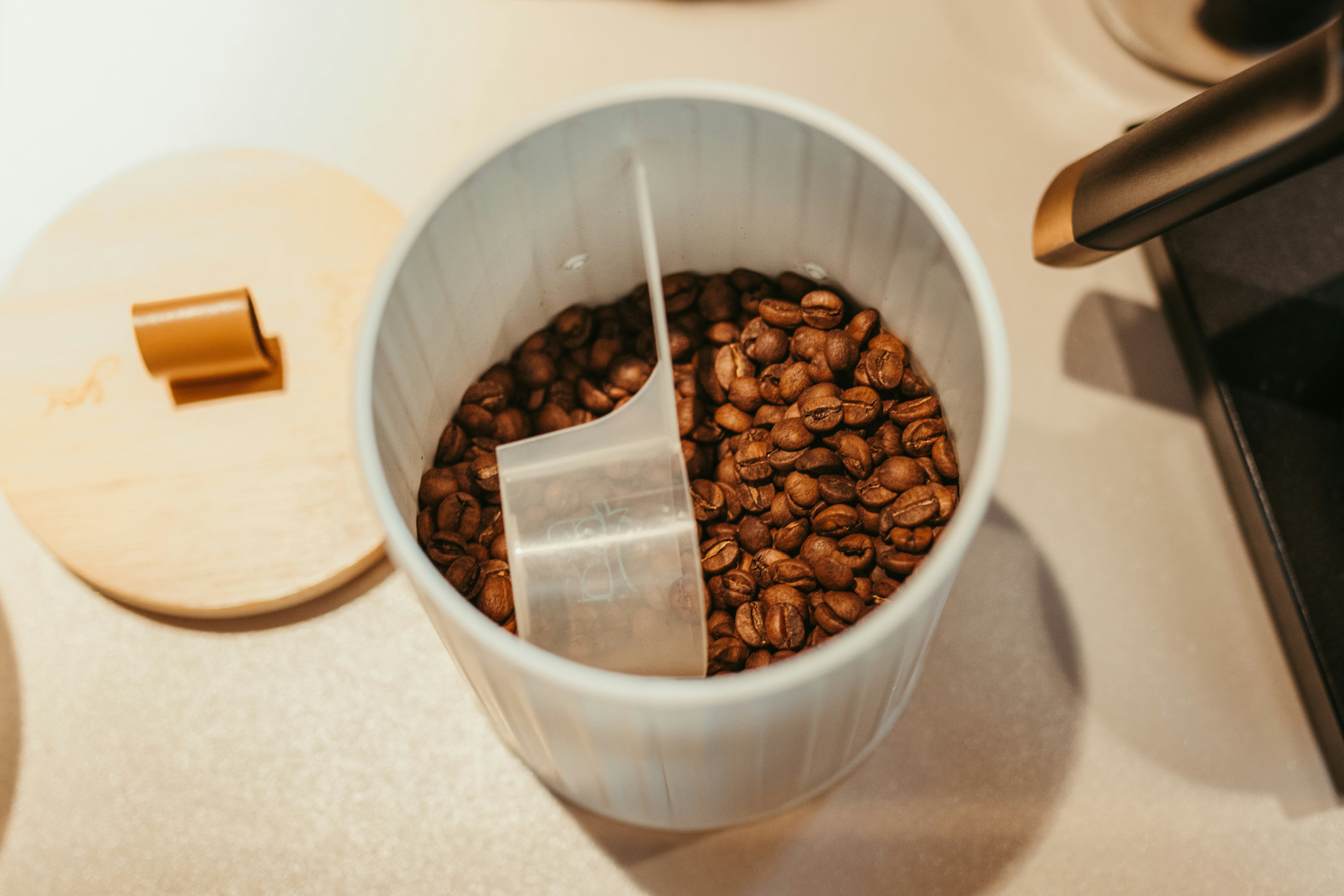
Every cup of coffee is a tiny decision with a very real footprint. Behind the latte art and cozy cafés are farmers negotiating prices, birds losing their forests, and billions of single-use pods heading to landfills. The good news: you do not need to be perfect to make a difference. You just need to be a little more intentional.
This guide is not about guilt. It is about power. Your daily coffee is a vote—for the kind of agriculture, trade, and planet you want to support. We will look beyond marketing buzzwords and turn \"sustainable coffee\" from a slogan into an action plan you can follow tomorrow morning.
The Truth About Labels: Direct Trade vs Fair Trade
Many coffee bags are covered in logos: Fair Trade, Organic, Rainforest Alliance. Labels can be helpful, but they are not the whole story. Some of the most farmer-friendly coffees in the world do not carry any certification at all.
What Fair Trade Actually Does
Fair Trade certification sets a minimum price for coffee and adds a small premium for community projects. It is designed to protect farmers when the global market price crashes. It also requires co-ops to follow basic labor and environmental standards.
This is a real safety net—but it is not free. Certification requires paperwork, audits, and fees. Large co-operatives can absorb these costs. Many smallholder farmers cannot. They simply do not have the scale or administrative support to chase every logo.
Why Direct Trade Can Sometimes Be Better
Direct Trade is not a regulated label. It is a relationship model. A roaster buys directly from a farmer or co-op, often visiting the farm, cupping the coffee on site, and agreeing on prices face-to-face instead of through commodity traders.
In the best cases, Direct Trade means:
- Farmers are paid significantly above the market price—often two to three times the commodity rate.
- Prices are stable year to year, so farmers can plan investments in soil, equipment, and education.
- Quality improvements are rewarded directly; better coffee means better pay, not just a new logo.
These partnerships can be life-changing for producers, even if there is no Fair Trade logo on the bag. A small farm that sells to one committed roaster at a high price may be better off than a certified co-op forced to sell huge volumes at only slightly improved rates.
Labels are a starting point, not the finish line. When you see \"Direct Trade\" or even no label at all, read the roaster's story. Do they name the farm? Do they talk about years of partnership and prices paid? Transparency is often a better signal than a crowded sticker collection.
Coffee for the Birds: Shade-Grown and Biodiversity
Coffee originally evolved as an understory plant, growing beneath the canopy of taller trees. For decades, farmers followed this pattern: coffee shrubs under a patchwork of fruit and shade trees, alive with insects and birds. Then industrial agriculture arrived.
To maximize yields, many farms cut down trees and planted \"sun-grown\" coffee—dense rows in full sun, heavily supported by fertilizers and pesticides. It looks efficient on a spreadsheet, but it comes at a cost: eroded soil, hotter local climates, and the loss of habitat for migratory birds.
Why Shade-Grown Matters
- Bird Habitat: Migratory birds rely on forest canopies as rest stops on journeys that span continents. When shade trees disappear, so do these safe havens.
- Natural Pest Control: Birds and insects in a healthy ecosystem eat pests, reducing the need for chemical pesticides.
- Healthier Soil and Water: Tree roots hold soil in place, prevent landslides, and improve water retention during heavy rains.
- Better Flavor: Shade slows the ripening of coffee cherries, often leading to denser beans and more complex flavors in the cup.
Smithsonian Bird Friendly: The Gold Standard
One of the strictest certifications for shade coffee is Smithsonian Bird Friendly. To use this label, a farm must:
- Maintain a diverse, multi-layered forest canopy above the coffee plants.
- Meet organic standards (no synthetic pesticides or fertilizers).
- Provide documented habitat for migratory and local bird species.
This is not just \"eco-friendly\" in name. It is a concrete promise that your morning brew is also breakfast for warblers, tanagers, and countless other birds that share the planet with us.
Don't Toss Those Grounds: Reusing Coffee Grounds
After brewing, most of us tap the used grounds straight into the trash. That is organic material, full of carbon and nutrients, heading directly to landfill. With a few simple habits, you can turn those leftovers into a small climate win.
1. Garden Booster (Fertilizer)
Used coffee grounds contain nitrogen and trace minerals that plants love. To use them safely:
- Spread the grounds out on a tray and let them dry completely to prevent mold.
- Mix one part grounds with at least three parts soil or compost.
- Work this mixture lightly into the top layer of soil around acid-tolerant plants or in your compost bin.
Avoid dumping a thick, wet layer directly on top of the soil—it can form a crust that repels water. Think of coffee as a supplement, not a full fertilizer by itself.
2. Indoor Plant Top-Dressing
If you do not have a garden, your houseplants can still benefit:
- Dry the grounds as above.
- Sprinkle a very thin layer over the potting soil (no more than a teaspoon for a small pot).
- Water lightly so the grounds mix into the topsoil.
Do this once a month at most. Overdoing it can compact the soil. In sustainability, \"a little\" done consistently is more powerful than \"a lot\" done once.
3. Simple Coffee Body Scrub
Coffee grounds also make an effective, natural body scrub. Here is a basic recipe:
- 1/2 cup used coffee grounds (well-drained and slightly dried).
- 1/2 cup sugar or fine salt.
- 1/3 cup coconut oil, olive oil, or another skin-safe oil.
Mix into a paste and store in a clean jar. Use in the shower on arms and legs, then rinse thoroughly. The grounds provide gentle exfoliation, while the oil leaves skin soft. Avoid using on the face or on broken skin.
No garden and no interest in DIY skincare? Dry your grounds and place a small bowl in the fridge. They act as a natural deodorizer, absorbing smells from leftovers.
The Pod Problem: Single-Use Capsules
Single-use coffee pods are a triumph of convenience—and a nightmare for the planet. Each capsule is a mix of plastic, aluminum, paper, and wet organic matter. That combination is extremely difficult to recycle at scale.
Around the world, billions of pods are used every year. Most are thrown into regular trash. Stacked end to end, they would circle the Earth many times. Each tiny cup of coffee leaves behind a tiny plastic fossil that will outlive us by centuries.
Hidden Costs of Convenience
- Landfill Load: Non-biodegradable plastics persist for hundreds of years.
- Resource Use: Pods require more packaging material per gram of coffee than almost any other brewing method.
- Recycling Theater: Many pods are technically \"recyclable\" only through complex take-back schemes that most consumers never use.
Better Ways to Brew
If you already own a pod machine, you do not need to throw it away to do better. Start with these steps:
- Switch to reusable stainless-steel or refillable plastic pods and fill them with fresh ground coffee.
- Look for certified compostable capsules that clearly state eligibility for your local industrial compost system.
- Commit to using a manual brewer (like a French press or pour-over) at home, and keep the pod machine only for emergencies or guests.
The goal is not to be perfect overnight. It is to steadily shrink the pile of plastic your coffee habit leaves behind.
Building Your Sustainable Coffee Routine
Sustainability can feel overwhelming, but coffee is a place where small, daily choices add up quickly. Here is a simple roadmap:
- Choose beans from transparent roasters who explain their relationships with farmers.
- When possible, favor shade-grown or Bird Friendly certified coffees.
- Retire single-use pods, or replace them with reusable or compostable alternatives.
- Give your coffee grounds a second life—in the garden, with your plants, or as a scrub.
- Use what you already own. A simple pour-over, French press, or moka pot can be both delicious and low-waste.
Pick one change this week—switch a bag of beans, reuse your grounds, or cut pod usage in half. Once it feels normal, add the next step. Sustainability is not a one-time project; it is a habit, just like your morning coffee.
"Your coffee cannot save the world. But it can honor the people and places that make it possible—and that is a powerful place to start."